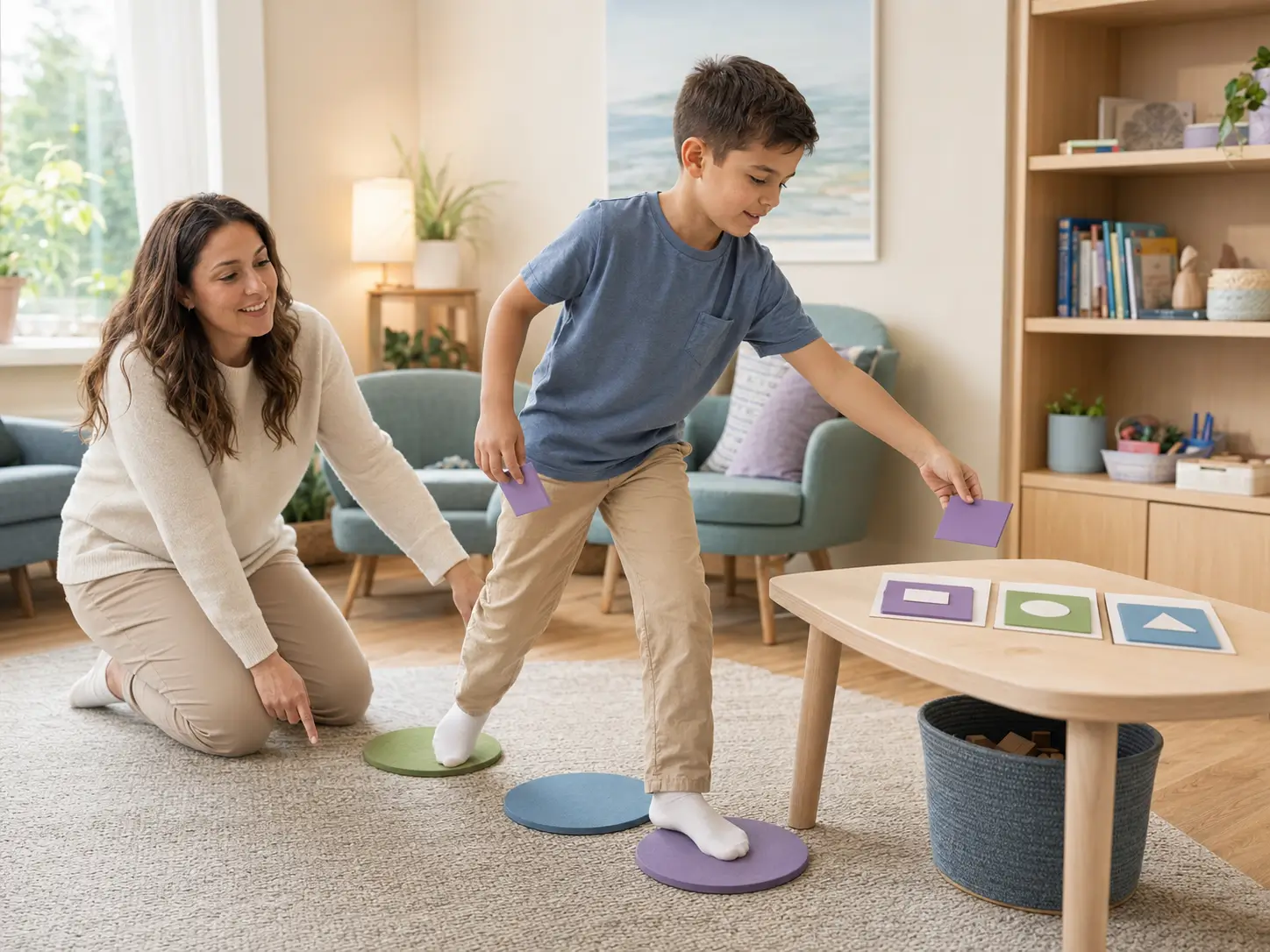
Personalized ADHD counseling helps children improve focus, manage impulsive behaviors, strengthen emotional regulation, and develop lifelong skills for success at home, in school, and beyond.
Who We Help

WHAT IS ADHD
Understanding ADHD
ADHD makes it difficult for a person to inhibit their spontaneous responses, including everything from movement to speech to assertiveness. That’s why working with an experienced ADHD therapist can make such a meaningful difference for families navigating these challenges.
Some children with ADHD may be constantly in motion, bouncing off the walls and disrupting others around them. Other children with ADHD may sit quietly, with their attention miles away. Whether a child is highly active or quietly distracted, the right support—often found at a compassionate ADHD treatment center—can help them thrive.
Primary Characteristics
Every child experiences ADHD differently, but these three core characteristics are the foundation of understanding how ADHD affects daily life, learning, and behavior.



ADHD
Children with ADHD may:

Support Today. Success Tomorrow
Whether or not your child’s symptoms of inattention, hyperactivity, and impulsivity are due to ADHD, they can cause problems if left untreated. Children who can’t focus or control themselves or get into trouble at school often find it hard to make friends. These frustrations can later lead to low self-esteem as well as friction for the whole family. This is often where ADHD counseling becomes incredibly valuable, offering structured guidance and emotional support for both the child and their caregivers.
Treatment Makes A Difference
A Path to Success in All Areas of Life
Treatment can make a dramatic difference in your child’s symptoms. With the right support, your child can get on track for success in all areas of life. Many parents also choose to work with an ADHD therapist to help their child learn new skills and build confidence.
If you’re interested in learning more about ADHD therapy, contact me today for a free consultation. I would be happy to share how I can help your child achieve success and grow.


FAQ