
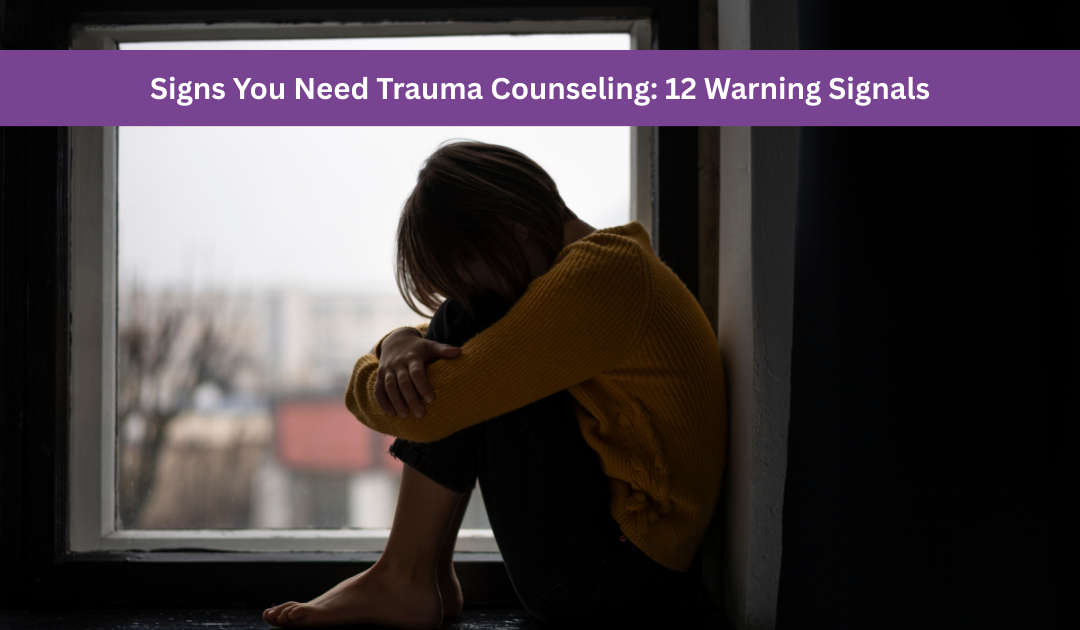
Millions of people experience traumatic events each day, yet many don’t recognize when they need professional support. Trauma could be any deeply distressing experience that overwhelms your ability to cope effectively. This might include accidents, violence, loss, or any situation that leaves you feeling helpless.
Recognizing warning signs is the first step toward healing and recovery. Counseling for trauma can provide life-changing support when specific symptoms persist beyond normal healing timeframes. Understanding that seeking help demonstrates strength, not weakness, allows you to take control of your mental health journey.
Key Warning Signs You Need Professional Support
- If you still feel ‘stuck’ in the event weeks later, your brain might need help processing the shock
- Professional trauma counseling helps you process difficult emotions and memories safely
- Warning signs include both emotional and physical symptoms that disrupt daily life substantially
- Early intervention through trauma therapy leads to better long-term outcomes and faster recovery
- Self-destructive behaviors or thoughts of self-harm require immediate professional attention and support
Mental and Emotional Warning Signs
Intrusive Thoughts and Flashbacks
Unwanted memories or vivid images suddenly surface during routine daily activities, causing intense emotional distress. These aren’t simply “bad memories” but overwhelming re-experiencing that makes the trauma feel present again.
According to NCBI research, intrusive thoughts repeatedly interfere with daily functioning. They can be triggered unexpectedly by seemingly unrelated events like specific sounds, smells, or locations. These episodes feel uncontrollable and can last minutes or hours.
Persistent Negative Emotions
Ongoing feelings of sadness, anxiety, or fear lasting weeks or months signal the need for trauma counseling. Mayo Clinic findings show these emotions make it feel impossible to get through a normal day.
Normal grief or worry differs from trauma-related emotional distress in both intensity and duration. Trauma emotions often feel overwhelming and don’t improve naturally with time alone.
Emotional Numbness and Detachment
Trauma can cause you to feel disconnected from loved ones or lose interest in activities you once enjoyed. This emotional shutdown serves as a protective mechanism that becomes problematic when it persists long-term.
You might feel like you’re watching your life from the outside or that positive emotions are no longer accessible to you.

Sleep and Daily Life Disruptions
Sleep Disturbances and Nightmares
Trauma frequently disrupts sleep through recurring nightmares, difficulty falling asleep, or frequent awakening throughout the night. Mayo Clinic research shows these sleep problems create exhaustion and emotional instability.
Trauma-related sleep issues differ from temporary stress-related insomnia because they persist despite feeling physically tired. The content of nightmares often relates directly to traumatic experiences.
Hypervigilance and Startled Responses
You might experience a constant feeling of being “on edge” or become easily startled by normal sounds. PTSD.va.gov findings show exaggerated startle responses and heightened awareness of potential threats.
This exhausting state of alertness impacts work performance and relationships. You may scan environments for danger or feel unable to relax even in safe spaces.
Avoidance Behaviors
Many people begin avoiding places, people, or activities associated with their trauma. While temporary avoidance is normal immediately after traumatic events, prolonged isolation and withdrawal signal the need for professional trauma therapy.
Avoidance often expands beyond trauma-related triggers to include general social situations or previously enjoyable activities.
Physical and Behavioral Warning Signs
Unexplained Physical Symptoms
Trauma can cause persistent headaches, muscle tension, stomach problems, or other physical pain without clear medical causes. Research links these bodily symptoms directly to stress and trauma responses.
The mind-body connection means emotional trauma often manifests physically. Your body remembers traumatic experiences even when your mind tries to forget or suppress them.
Cognitive Difficulties
Problems with concentration, memory lapses, or mental confusion interfere with work and daily tasks. NIMH findings show trauma considerably impacts cognitive functioning across multiple areas.
Examples include forgetting important appointments, difficulty focusing during conversations, or feeling mentally “foggy” throughout the day. These cognitive changes can affect job performance and personal relationships.
Self-Destructive Behaviors
Some people cope with trauma through substance abuse, reckless driving, or self-harm behaviors. MHA National research shows these dangerous coping mechanisms often worsen trauma symptoms over time.
Counseling for trauma provides healthier ways to process emotional pain and develop effective coping strategies for long-term recovery.
Intense Shame or Guilt
Trauma survivors often blame themselves or experience intense feelings of worthlessness. These emotions can lead to social withdrawal and worsening symptoms without professional intervention.
Self-blame is common even when the traumatic event was completely outside your control or influence.
When to Seek Immediate Help
Crisis-Level Warning Signs
Thoughts of self-harm or suicide require immediate professional intervention, not just eventual trauma counseling. Research identifies severe emotional distress indicators that need urgent attention.
Contact the 988 Suicide & Crisis Lifeline immediately if you experience thoughts of ending your life or harming yourself.
Timeline for Seeking Help
If multiple warning signs persist for more than a few weeks or considerably impact daily functioning, professional help is recommended. Early intervention through trauma therapy leads to better long-term outcomes and faster healing processes.
Trust your instincts about your mental health needs. You don’t need to wait for symptoms to become severe before seeking support.
Warning Signs Checklist
| Warning Sign Category | Specific Symptoms | When to Seek Help |
| Mental/Emotional | Intrusive thoughts, persistent sadness, emotional numbness | Symptoms persist 2+ weeks |
| Sleep/Daily Life | Nightmares, hypervigilance, avoidance behaviors | Considerably impacts functioning |
| Physical/Behavioral | Unexplained pain, cognitive difficulties, self-destructive behaviors | Multiple symptoms present |
| Crisis Level | Self-harm thoughts, severe isolation, substance abuse | Seek immediate professional help |
Recognizing trauma warning signs allows you to take the first step toward healing and recovery. Counseling for trauma provides professional support for processing difficult experiences safely and effectively.
If you’re questioning whether you need help, reaching out to a trauma specialist can provide clarity and support. Your healing journey begins with acknowledging these warning signs and taking that courageous first step toward getting individual therapy.
Frequently Asked Questions
Don’t wait if symptoms persist beyond two weeks or considerably impact your daily functioning. Early intervention leads to better outcomes and faster recovery from traumatic experiences.
Yes, delayed trauma responses are common. Symptoms can emerge when you feel safe enough to process the experience or when triggered by similar events or anniversaries.
Trauma symptoms are typically more intense, persistent, and interfere substantially with daily life. Unlike normal stress, trauma symptoms don’t improve naturally with time alone.
Absolutely. Trauma therapy is effective regardless of when the traumatic event occurred. Many people successfully heal from childhood trauma or events from years past.
If medical evaluations don’t reveal physical causes for persistent symptoms like headaches, stomach issues, or muscle tension, trauma may be a contributing factor worth discussing with a therapist.