You Deserve to Live a Purposeful, Joyful, and Fulfilling Life
Interested in becoming a new client? Please click the link below to get started today!


You Deserve to Live a Purposeful, Joyful, and Fulfilling Life
Interested in becoming a new client? Please click the link below to get started today!
You Deserve to Live a Purposeful, Joyful, and Fulfilling Life
Interested in becoming a new client? Please click the link below to get started today!
You Deserve to Live a Purposeful, Joyful, and Fulfilling Life
Interested in becoming a new client? Please click the link below to get started today!





Inspire · Recovery
A process of change through which individuals improve their health and wellness, live a self-directed life, and strive to reach their full
potential.
Inspire · Recovery
A process of change through which individuals improve their health and wellness, live a self-directed life, and strive to reach their full
potential.
0+
0+
Satisfied Clients
0+
0+
Satisfied Clients
0.0/5
0.0/5
Average Rating
0.0/5
0.0/5
Average Rating
0+
0+
Years of Experience
0%
0%
Guaranteed Results
0+
0+
Satisfied Clients
0.0/5
0.0/5
Average Rating
0+
0+
Years of Experience
0%
0%
Guaranteed Results
About Us
A Safe Space to Begin Again
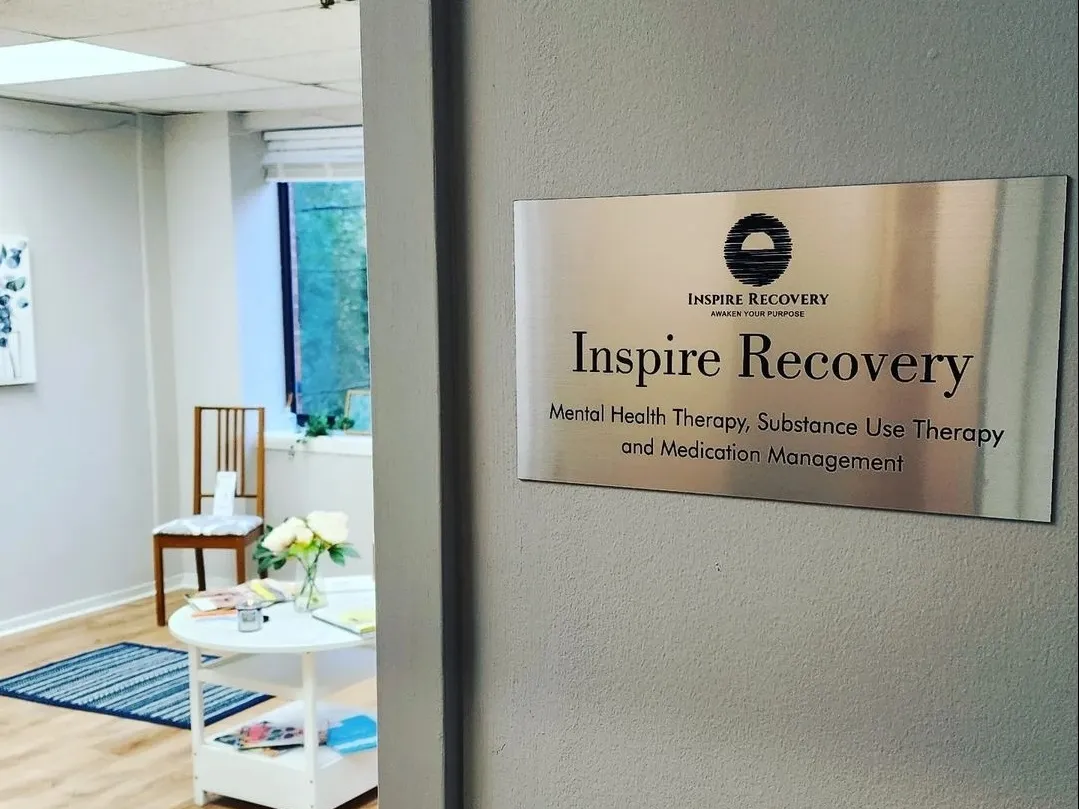
Inspire Recovery LLC has a team of uniquely qualified clinicians that specialize in multiple areas, allowing us to serve a diverse population. We go above and beyond to provide a comforting and safe environment where each of our clients can come in and focus on the work that’s needed to restore them to their most authentic self, which is also supported by our mental health counseling approach. We understand that every person has their own unique story and individual obstacles, that is why Inspire Recovery LLC meets each and every client exactly where they are, without judgments, offering mental health counseling services as part of their healing path. Asking for help can be overwhelming, that is why we strive to make your mental health journey as comfortable as possible, because everyone deserves to live a purposeful, joyful, and meaningful life, and our clinical and mental health counseling team is here to support that.

Welcome to Inspire Recovery
Get Started
Are you ready to start your journey?
You might be initially hesitant to seek out help and support for personal matters, but when you do, you will feel confident that you are taking a courageous first step towards getting to a better place and a better you!
Get Started
Are you ready to start your journey?
You might be initially hesitant to seek out help and support for personal matters, but when you do, you will feel confident that you are taking a courageous first step towards getting to a better place and a better you!

Expertise
Our Specialties
Every Step Toward Healing
Explore our evidence-based mental health services, thoughtfully designed to support your unique journey toward healing, resilience, and lasting well-being.

Cognitive Behavioral Therapy
Develop practical strategies to overcome negative thought patterns, improve emotional well-being, and build healthier behaviors.

EMDR Therapy
EMDR is an integrative psychotherapy approach that has been extensively researched and proven effective for the treatment of trauma.

Medication Management
Personalized psychiatric medication support combined with therapy to help you achieve lasting mental wellness.
Every Step Toward Healing
Explore our evidence-based mental health services, thoughtfully designed to support your unique journey toward healing, resilience, and lasting well-being.
Cognitive Behavioral Therapy
Develop practical strategies to overcome negative thought patterns, improve emotional well-being, and build healthier behaviors.
EMDR Therapy
EMDR is an integrative psychotherapy approach that has been extensively researched and proven effective for the treatment of trauma.
Mindfulness-Based Therapy
Mindfulness-based Cognitive Therapy, or MBCT, is designed for people who suffer from repeated
Medication Management
Personalized psychiatric medication support combined with therapy to help you achieve lasting mental wellness.





Inspire · Recovery
Don't Wait to Get the Help You Need
The definition of Recovery is: A process of change through which individuals improve their health and wellness, live a self-directed life, and strive to reach their full potential-something we support through compassionate medication management and personalized mental health counseling services for every individual.
We want to inspire each client to reach their own level of self-acceptance and appreciation. Through our approach to clinical and mental health counseling, our goal is to help you get to exactly where you feel you should be.

“It’s incredibly liberating to spend an hour talking to someone and not caring about what you sound like. It’s about understanding myself. Sometimes I’ll speak to my therapist for an hour a day. It’s become part of my routine.”
Shakira
“Courage doesn’t always roar. Sometimes courage is the little voice at the end of the day that says “I’ll try again tomorrow.”
Mary Anne
“It does not mean you’re broken to have depression and anxiety. I would encourage you to speak out. Don’t hold it inside. Talk to friends. Talk to parents. If it’s available, go to a therapist."
Dan Reynolds
“It’s incredibly liberating to spend an hour talking to someone and not caring about what you sound like. It’s about understanding myself. Sometimes I’ll speak to my therapist for an hour a day. It’s become part of my routine.”
Shakira
“Courage doesn’t always roar. Sometimes courage is the little voice at the end of the day that says “I’ll try again tomorrow.”
Mary Anne
“It does not mean you’re broken to have depression and anxiety. I would encourage you to speak out. Don’t hold it inside. Talk to friends. Talk to parents. If it’s available, go to a therapist."
Dan Reynolds

Inspirational Quotes
Inspirational Quotes
Inspirational Quotes
Inspirational Quotes
Services
Specialized Care for Every Journey.
Specialized Care for Every Journey.
Specialized Care for Every Journey.
Specialized Care for Every Journey.
Personalized, evidence-based services designed to support healing, recovery, and lifelong mental wellness.
Personalized, evidence-based services designed to support healing, recovery, and lifelong mental wellness.



How it works
Helping You Find
Helping You Find
Helping You Find
Hope, Healing, and Lasting Change
Hope, Healing, and Lasting Change
Hope, Healing, and Lasting Change
Getting the support you need is simple. Follow these three easy steps to connect with compassionate providers and begin personalized care tailored to your unique needs.
Step 1
Step 1
Request an Appointment
Complete our confidential form or contact our team to tell us about your needs.
Step 2
Step 2
Meet Your Care Team
We'll match you with the right clinician, schedule your first session, and create a personalized treatment plan.
Step 2
Meet Your Care Team
We'll match you with the right clinician, schedule your first session, and create a personalized treatment plan.
Step 3
Step 3
Start Your Healing Journey
Begin therapy or medication management with ongoing support to help you achieve lasting wellness.
Step 3
Start Your Healing Journey
Begin therapy or medication management with ongoing support to help you achieve lasting wellness.

Insurance Policies
Insurance Policies
Getting started with care shouldn't feel complicated. Inspire Recovery accepts several major insurance plans, making it easier to access compassionate, personalized mental health support.
Insurance We Accept
Insurance We Accept
Anthem BC/BS · CT Husky / Medicaid · Cigna · ConnectiCare · United Healthcare · Oxford
FAQ
Frequently Asked Questions
Frequently Asked Questions
Find answers to common questions about our process, services, and what you can expect when working with us.
Find answers to common questions about our process, services, and what you can expect when working with us.
Have Another Question?
We're here to help! Reach out to our team and we'll get back to you as soon as possible.
We're Available
Mon - Fri, 9AM - 5PM
Mon - Fri, 9AM - 5PM
Have Another Question?
We're here to help! Reach out to our team and we'll get back to you as soon as possible.
Call Us Anytime
We're Available
Mon - Fri, 9AM - 5PM
I’ve never talked to anyone. I’m used to handling things on my own. Aren’t people who go to therapy weak?
Not at all. People who ask for help know when they need it and have the courage to reach out. Everyone needs help now and then. Our therapists will help you explore and identify your strengths and how to implement them to reduce the influence of the problems you are facing through mental health counseling services designed to meet individual needs.
What’s the difference between talking to you or my best friend or family?
Talking to a best friend or a family member can be helpful to get something off your chest but you may not get solutions from those people. And sometimes those people in your life are the people you need to get some advice about! A mental health professional can help you approach your situation in a new way- teach you new skills, gain different perspectives, listen to you without judgment or expectations, and help you listen to yourself. Furthermore, counseling is completely confidential. You won’t have to worry about others “knowing my business.” Lastly, if your situation provokes a great deal of negative emotion, and you’ve been confiding in a friend or family member, there is the risk that once you are feeling better you could start avoiding that person so you aren’t reminded of this difficult time in your life. This is why many people choose mental health counseling for structured support.
Can’t I just take medication?
Medication is sometimes an essential part of your treatment plan but all research has shown that medication is effective when used together with talk therapy. Medication does not provide coping skills for the issues you may be facing, it only addresses the biochemical issues in your brain and body. Our work together is designed to explore and unpack the problems you are experiencing and expand on your strengths that can help you accomplish your personal goals, especially when combined with clinical and mental health counseling.
How does therapy work? What do I have to do in sessions?
Because each person has different issues and goals for counseling, it will be different depending on the individual. Each therapist tailors the therapeutic approach to your specific needs. We encourage feedback from each person to ensure you are getting what you need out of therapy because each person needs different approaches and coping skills. The time you have with your therapist is yours, so it is completely appropriate to let them know what is working and what is not in the sessions with them.
How long will therapy take?
Unfortunately, this is not possible to say in a general FAQs page. Everyone’s circumstances are unique to them and the length of time counseling can take to allow you to accomplish your goals depends on your desire for personal development, your commitment, and the factors that are driving you to seek counseling in the first place. However, this should be an ongoing conversation between you and your therapist as therapy progresses because accomplishing treatment goals should be part of your progress in working together.
I want to get the most out of therapy. What can I do to help?
We are so glad you are dedicated to getting the most out of your sessions. Your active participation and dedication will be crucial to your success. Sometimes your therapist may give you things to work on in between sessions and it will be crucial to your success to report back honestly what you accomplish in between sessions because our work together will be minimal compared to the time you spend with yourself in between sessions.
Who is part of my treatment team?
Whoever you feel like is a support person that should be included! For some, they have come to therapy on their own and don’t feel like they need support from others in their therapy journey. This is a highly individualized process for each person we work with.
In some instances, we may ask for information from family members or people close to you that can provide information and/or support if and when you think that would be helpful to you progressing in your work with your therapist.
In other instances, we may refer to additional professionals such as a medication provider, nutritionist, or primary care provider when there are issues going on that are outside our scope of practice. We work collaboratively with many providers in the area to provide the best comprehensive care as we believe in a holistic approach to your care, which often involves clinical and mental health counseling as part of a complete wellness plan.
I’ve never talked to anyone. I’m used to handling things on my own. Aren’t people who go to therapy weak?
Not at all. People who ask for help know when they need it and have the courage to reach out. Everyone needs help now and then. Our therapists will help you explore and identify your strengths and how to implement them to reduce the influence of the problems you are facing through mental health counseling services designed to meet individual needs.
What’s the difference between talking to you or my best friend or family?
Talking to a best friend or a family member can be helpful to get something off your chest but you may not get solutions from those people. And sometimes those people in your life are the people you need to get some advice about! A mental health professional can help you approach your situation in a new way- teach you new skills, gain different perspectives, listen to you without judgment or expectations, and help you listen to yourself. Furthermore, counseling is completely confidential. You won’t have to worry about others “knowing my business.” Lastly, if your situation provokes a great deal of negative emotion, and you’ve been confiding in a friend or family member, there is the risk that once you are feeling better you could start avoiding that person so you aren’t reminded of this difficult time in your life. This is why many people choose mental health counseling for structured support.
Can’t I just take medication?
Medication is sometimes an essential part of your treatment plan but all research has shown that medication is effective when used together with talk therapy. Medication does not provide coping skills for the issues you may be facing, it only addresses the biochemical issues in your brain and body. Our work together is designed to explore and unpack the problems you are experiencing and expand on your strengths that can help you accomplish your personal goals, especially when combined with clinical and mental health counseling.
How does therapy work? What do I have to do in sessions?
Because each person has different issues and goals for counseling, it will be different depending on the individual. Each therapist tailors the therapeutic approach to your specific needs. We encourage feedback from each person to ensure you are getting what you need out of therapy because each person needs different approaches and coping skills. The time you have with your therapist is yours, so it is completely appropriate to let them know what is working and what is not in the sessions with them.
How long will therapy take?
Unfortunately, this is not possible to say in a general FAQs page. Everyone’s circumstances are unique to them and the length of time counseling can take to allow you to accomplish your goals depends on your desire for personal development, your commitment, and the factors that are driving you to seek counseling in the first place. However, this should be an ongoing conversation between you and your therapist as therapy progresses because accomplishing treatment goals should be part of your progress in working together.
I want to get the most out of therapy. What can I do to help?
We are so glad you are dedicated to getting the most out of your sessions. Your active participation and dedication will be crucial to your success. Sometimes your therapist may give you things to work on in between sessions and it will be crucial to your success to report back honestly what you accomplish in between sessions because our work together will be minimal compared to the time you spend with yourself in between sessions.
Who is part of my treatment team?
Whoever you feel like is a support person that should be included! For some, they have come to therapy on their own and don’t feel like they need support from others in their therapy journey. This is a highly individualized process for each person we work with.
In some instances, we may ask for information from family members or people close to you that can provide information and/or support if and when you think that would be helpful to you progressing in your work with your therapist.
In other instances, we may refer to additional professionals such as a medication provider, nutritionist, or primary care provider when there are issues going on that are outside our scope of practice. We work collaboratively with many providers in the area to provide the best comprehensive care as we believe in a holistic approach to your care, which often involves clinical and mental health counseling as part of a complete wellness plan.
Inspiring Stories From Our Community

“I have recommended this practice to multiple people! One of my close friends as well as my dad are both clients of this practice now. I also recommend the practice to some of my patients who I believe would benefit from therapy. Everyone I have worked with has been pleasant and kind and makes the process enjoyable. :)”
– Highly Recommended to Family & Friends
"My clinician has supported me incredibly with a safe, collaborative and positive environment to share sensitive choice, life events and thoughts. This is huge for me as I’ve had two negative experiences in the past that made me strongly hesitate recieving mental health support for a while. Thank you for offering a consistently challenging and caring space!”
– A Caring and Collaborative Environment
“I’ve wanted to go to therapy for a the last few years. I’m very glad I gave it a shot and am very lucky that the therapist I matched with ended up as a great fit from the first session. I am much more confident in myself and feel like I actually am prepared to and can handle much more in life. I have seen/felt it in practice as the year goes on. I’m happy to say I have made so much progress and probably wouldn’t feel this way if it wasn’t for Leanne.”
– Found the Perfect Therapist From Day One

4.9

clients rating


Inspiring Stories From Our Community
“I have recommended this practice to multiple people! One of my close friends as well as my dad are both clients of this practice now. I also recommend the practice to some of my patients who I believe would benefit from therapy. Everyone I have worked with has been pleasant and kind and makes the process enjoyable. :)”
– Highly Recommended to Family & Friends
"My clinician has supported me incredibly with a safe, collaborative and positive environment to share sensitive choice, life events and thoughts. This is huge for me as I’ve had two negative experiences in the past that made me strongly hesitate recieving mental health support for a while. Thank you for offering a consistently challenging and caring space!”
– A Caring and Collaborative Environment
“I’ve wanted to go to therapy for a the last few years. I’m very glad I gave it a shot and am very lucky that the therapist I matched with ended up as a great fit from the first session. I am much more confident in myself and feel like I actually am prepared to and can handle much more in life. I have seen/felt it in practice as the year goes on. I’m happy to say I have made so much progress and probably wouldn’t feel this way if it wasn’t for Leanne.”
– Found the Perfect Therapist From Day One
4.9
clients rating
Inspiring Stories From Our Community
“I have recommended this practice to multiple people! One of my close friends as well as my dad are both clients of this practice now. I also recommend the practice to some of my patients who I believe would benefit from therapy. Everyone I have worked with has been pleasant and kind and makes the process enjoyable. :)”
– Highly Recommended to Family & Friends
"My clinician has supported me incredibly with a safe, collaborative and positive environment to share sensitive choice, life events and thoughts. This is huge for me as I’ve had two negative experiences in the past that made me strongly hesitate recieving mental health support for a while. Thank you for offering a consistently challenging and caring space!”
– A Caring and Collaborative Environment
“I’ve wanted to go to therapy for a the last few years. I’m very glad I gave it a shot and am very lucky that the therapist I matched with ended up as a great fit from the first session. I am much more confident in myself and feel like I actually am prepared to and can handle much more in life. I have seen/felt it in practice as the year goes on. I’m happy to say I have made so much progress and probably wouldn’t feel this way if it wasn’t for Leanne.”
– Found the Perfect Therapist From Day One
4.9
clients rating
Inspiring Stories From Our Community
“I have recommended this practice to multiple people! One of my close friends as well as my dad are both clients of this practice now. I also recommend the practice to some of my patients who I believe would benefit from therapy. Everyone I have worked with has been pleasant and kind and makes the process enjoyable. :)”
– Highly Recommended to Family & Friends
"My clinician has supported me incredibly with a safe, collaborative and positive environment to share sensitive choice, life events and thoughts. This is huge for me as I’ve had two negative experiences in the past that made me strongly hesitate recieving mental health support for a while. Thank you for offering a consistently challenging and caring space!”
– A Caring and Collaborative Environment
“I’ve wanted to go to therapy for a the last few years. I’m very glad I gave it a shot and am very lucky that the therapist I matched with ended up as a great fit from the first session. I am much more confident in myself and feel like I actually am prepared to and can handle much more in life. I have seen/felt it in practice as the year goes on. I’m happy to say I have made so much progress and probably wouldn’t feel this way if it wasn’t for Leanne.”
– Found the Perfect Therapist From Day One
4.9
clients rating
Blogs