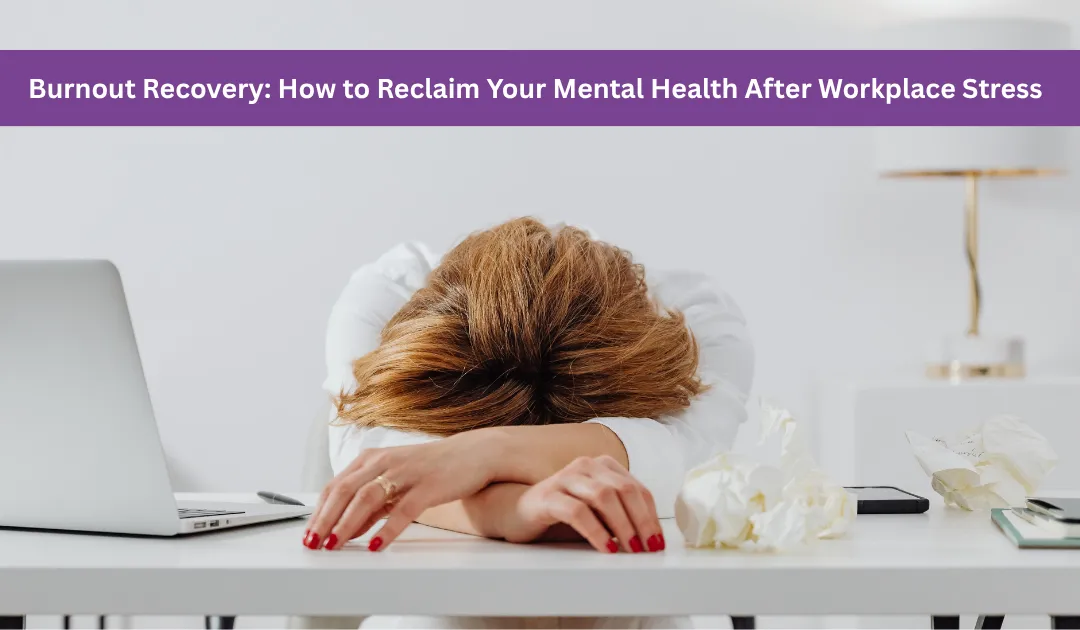

Nobody tells you when the pressure starts to feel normal. The deadlines pile up, the bills don’t stop, and somewhere along the way, stress becomes the baseline rather than the exception. For a lot of men, that’s just “life” – until it isn’t. Recent research published on Inspire Recovery CT highlights something worth paying attention to: men typically don’t connect their low mood or exhaustion to a mental health issue. They blame the job, the finances, the circumstances. That’s an important distinction, because it means many men are living with treatable mental health challenges and chalking it up to bad luck or a rough season at work.
Things like chronic work stress, financial instability, unemployment, and poverty sit at the center of a lot of men’s daily struggles. These aren’t small stressors. They’re the kind that build quietly and compound over time, affecting sleep, relationships, and the ability to function at work and at home.
The Mental Load Men Carry – and Rarely Talk About
There’s a particular kind of exhaustion that comes from holding everything together while believing you’re not supposed to need help. A lot of men know this feeling. Societal pressure to be self-sufficient, stoic, and “fine” doesn’t make problems smaller – it just makes them harder to name.
This is where mental and behavioral health care gets complicated for men. Asking for support can feel like an admission of failure, even when it’s clearly the more practical move. The stigma isn’t imaginary. It’s real, it’s internalized, and it keeps a lot of men from getting the help that would genuinely make a difference.
Men who carry this kind of load – professionally, financially, emotionally – often don’t recognize the symptoms of depression for what they are. Irritability isn’t depression, right? Neither is working too much. Neither is not sleeping well. Except, often, they are. The presentation just looks different.
Warning Signs That Something Is Off
Most people think of depression as sadness. For men, it’s more likely to show up as frustration, withdrawal, or a general sense of going through the motions. Here’s what actually tends to show up:
Behavioral Shifts
Increased irritability, snapping at people, pulling away from friends or family, dropping hobbies that used to matter – these all warrant attention. Withdrawal is often the first sign something has shifted, and it’s easy to miss because it looks like busyness.
Emotional Overload
Persistent fatigue that doesn’t respond to rest. A sense of being overwhelmed even when the workload looks manageable on paper. A decline in job performance or focus that wasn’t there before. These aren’t signs of laziness – they’re signs the system is overloaded. Counseling for anxiety can help address a lot of what sits underneath these patterns.
Physical Symptoms
Disrupted sleep, changes in appetite, vague physical complaints with no clear medical cause. The body tends to signal what the mind won’t say out loud. If someone is seeing a doctor regularly for symptoms that don’t resolve, it’s worth asking whether stress or trauma could be contributing.
Some men also struggle with what’s sometimes called failure to launch syndrome – a pattern of stalled momentum in work, relationships, or personal development that often has mental health roots rather than motivational ones.
Why Work-Life Balance Is a Mental Health Issue
Work-life balance isn’t just a scheduling problem. When the boundaries between work and personal time collapse completely, it creates conditions where chronic stress becomes unavoidable. And chronic stress is one of the better-documented risk factors for depression, anxiety, and burnout.
For men who feel financial pressure – whether from unemployment, debt, or the weight of supporting a family – this can become a cycle that’s difficult to interrupt without outside support. Individual therapy gives men a structured space to untangle what’s situational from what’s internal, and to build the kind of coping tools that actually hold up under pressure.
That’s not a soft answer. It’s practical. A therapist can help someone identify the specific patterns driving burnout, adjust how they’re managing stress at work, and address the underlying anxiety or depression that’s making everything harder. The cognitive behavioral therapy approach, for example, is directly applicable to the kind of thought patterns that keep men stuck in cycles of overwork and avoidance.

Seeking Help Is the Practical Move
The old framing – that asking for help means weakness – doesn’t hold up under scrutiny. Carrying everything alone isn’t strength. It’s just a strategy, and it’s one that tends to break down eventually.
Engaging with a therapist gives men real tools: ways to process emotions without shutting down, communication strategies for relationships under strain, and a clearer picture of what’s actually driving the stress. Meaningful connection in relationships is something most men want but few feel equipped to build when they’re running on empty.
It’s also worth noting that mindfulness-based therapy has solid evidence behind it for stress reduction and emotional regulation – and it’s not what most people picture. It’s not just breathing exercises. It’s a set of skills for staying present and grounded under pressure, which is genuinely useful for anyone managing a high-stress life.
For men dealing with substance use on top of work stress and mental health challenges, addiction counseling and relapse prevention services address the full picture rather than treating each issue in isolation.
How Inspire Recovery CT Can Help
At Inspire Recovery CT, the work around men’s issues is built around the understanding that men often need a different kind of entry point into care – one that doesn’t start with a lot of emotional framing, but with concrete help for concrete problems.
Services include individual therapy, group therapy, EMDR for trauma, and medication management for adults when appropriate. For those who can’t make in-person sessions work, telehealth offers a flexible option that’s both convenient and discreet – something that matters a lot for men who are hesitant about walking into a therapist’s office.
To learn more about what’s involved or to get started, visit the appointment request page or review insurance and payment policies. The team at Inspire Recovery works across a range of specialties, and matching the right clinician to the right person matters.
If you want to read more on this topic, Breaking the Silence: Men’s Mental Health Matters covers some of the broader context around why men’s mental health gets overlooked – and what that costs.
Start Your Journey to a Healthier, Happier You
Take the first step today – connect with a compassionate therapist who meets you where you are.
Frequently Asked Questions
A useful test: if the same problems keep showing up despite your best efforts, or if stress is affecting your sleep, relationships, or ability to work for more than a few weeks, it’s worth talking to someone. Tough stretches end. Patterns that keep repeating usually need more than time. Individual therapy is specifically designed to help you tell the difference and figure out what’s actually going on.
That’s more common than you’d think, and a good therapist will meet you where you are. A lot of men find cognitive behavioral therapy more accessible because it’s structured and problem-focused – you’re working on specific patterns and behaviors, not just talking through feelings. The emotional piece often opens up naturally over time.
For most people, yes. The research on telehealth therapy is generally positive, especially for depression, anxiety, and stress-related issues. It’s also easier to fit into a busy schedule, which means people are more likely to actually show up consistently – and consistency matters more than format.
Both, honestly. Financial and work stress are real external pressures – but when they’re chronic, they create genuine changes in mood, cognition, and physical health. Therapy for depression isn’t just for people in crisis; it’s also useful for anyone who feels stuck in a cycle where external circumstances always seem to make things worse. Sometimes the issue is the situation. Sometimes it’s how the situation is being processed. Usually it’s some of both.
That’s actually a good reason to reach out, not a reason to give up. Self-help strategies – exercise, routine, cutting back on alcohol – have real value, but they have limits. When the underlying anxiety, PTSD, or depression isn’t addressed, other strategies tend to wear down over time. A professional can help identify what’s actually driving the problem and give you tools that are specific to your situation. You can contact Inspire Recovery CT here to get started.