Quick Answer: Teen therapy in Connecticut helps adolescents work through anxiety, depression, trauma, ADHD, and other mental health challenges with a licensed therapist. Signs your teen may need help include sudden mood changes, dropping grades, withdrawing from friends, sleep problems, and changes in eating habits. Early therapy – especially approaches like CBT or DBT – gives teenagers the tools to manage hard emotions before those emotions run the show.
Most parents don’t see it coming. One day their kid is mostly fine – messy room, eye rolls, the usual – and then slowly, or sometimes all at once, something shifts. The laughing stops. The door stays closed. The grades drop.
That’s not always just “being a teenager.”
Knowing the difference between normal growing pains and something that actually needs professional support? That’s one of the hardest calls a parent has to make. This post breaks down the real warning signs – the ones that often get explained away for too long.
What Is Teen Therapy and Why Does It Matter?
Teen therapy, also called adolescent therapy or adolescent counseling, is one-on-one or group support provided by a licensed therapist trained to work with people between the ages of 13 and 18.
It’s not about getting your kid to “talk about their feelings” on a couch. Good adolescent therapy is active. It gives teens specific tools – ways to handle anxiety, process trauma, manage anger, or rebuild motivation when depression has flattened everything out.
The American Psychological Association has found that untreated mental health issues in teens often carry into adulthood, showing up as anxiety disorders, substance use problems, or relationship difficulties years later. Getting support early changes that trajectory.
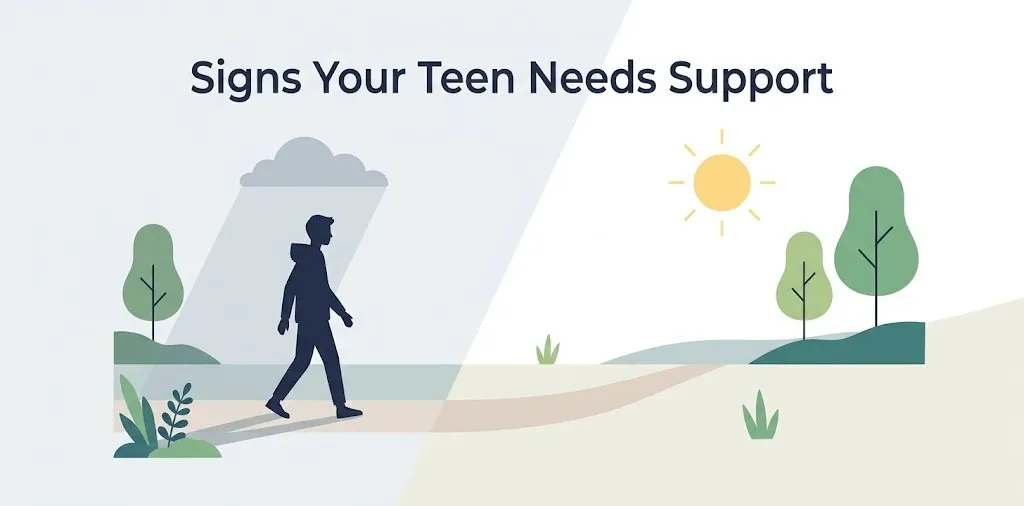
9 Signs Your Teen Might Need Therapy
Not every sign means crisis. But a pattern – especially if several of these appear together and last more than two or three weeks – is worth taking seriously.
1. Mood changes that seem way out of proportion
Teenagers have big feelings. That’s normal. But if your teen goes from okay to devastated over things that seem small, or if the lows last unusually long, that’s a different pattern. Persistent sadness, irritability that spills into every interaction, or emotional numbness can all signal depression or an underlying mood disorder.
2. Dropping grades or refusing to go to school
School refusal – the clinical term for a teen who repeatedly avoids school – is often tied to anxiety, social anxiety disorder, or depression. A sudden drop in grades is another signal that something’s interfering with their ability to concentrate or show up.
3. Pulling away from everyone
Some teenagers are naturally introverted. That’s fine. But if a previously social teen stops seeing their friends, quits activities they used to love, and mostly stays in their room – that withdrawal is a flag. Isolation tends to feed depression, not fix it.
4. Sleep getting wrecked – in either direction
Sleeping 12 hours and still exhausted. Or lying awake until 3am every night. Both patterns show up with anxiety, depression, and trauma. Teenagers need 8–10 hours of sleep. Consistent disruption to that, without an obvious reason like finals week, is worth noting.
5. Eating changes that don’t make sense
Skipping meals, eating way less, or the opposite – stress-eating in a way that feels compulsive and distressing to your teen. If food is becoming a coping mechanism or a point of anxiety, that’s a conversation to have with a professional, not just at the dinner table.
6. Talk about not wanting to be here – even as a joke
This one gets explained away too often. “I wish I was dead” said flatly after a hard day, dark humor about not existing, writing that keeps returning to hopelessness – these are not things to let slide. The National Institute of Mental Health identifies warning signs of suicide risk in teens as exactly these kinds of indirect statements. Take them seriously every time.
7. Signs of substance use
Addiction counseling and relapse prevention exists for a reason – teenagers experiment, but some escalate. If you’re finding evidence of drug or alcohol use, especially paired with other signs on this list, the substance use is almost always a coping strategy for something else going on underneath.
8. Physical complaints with no medical cause
Headaches every morning before school. Stomach pain on Sunday nights. When doctors can’t find anything wrong, these are often anxiety symptoms presenting in the body. Somatic complaints are extremely common in anxious teenagers – and therapy addresses the root, not just the symptom.
9. Reactions to trauma or a major life event
Divorce, loss, a serious accident, bullying, or any form of abuse – some teens bounce back; others carry it in ways you can’t see. Trauma counseling helps them process what happened so it doesn’t quietly shape how they see themselves and the world for the next decade.

What Kinds of Therapy Actually Work for Teens?
Here’s the thing most people don’t know: therapy isn’t one-size-fits-all, even for teenagers.
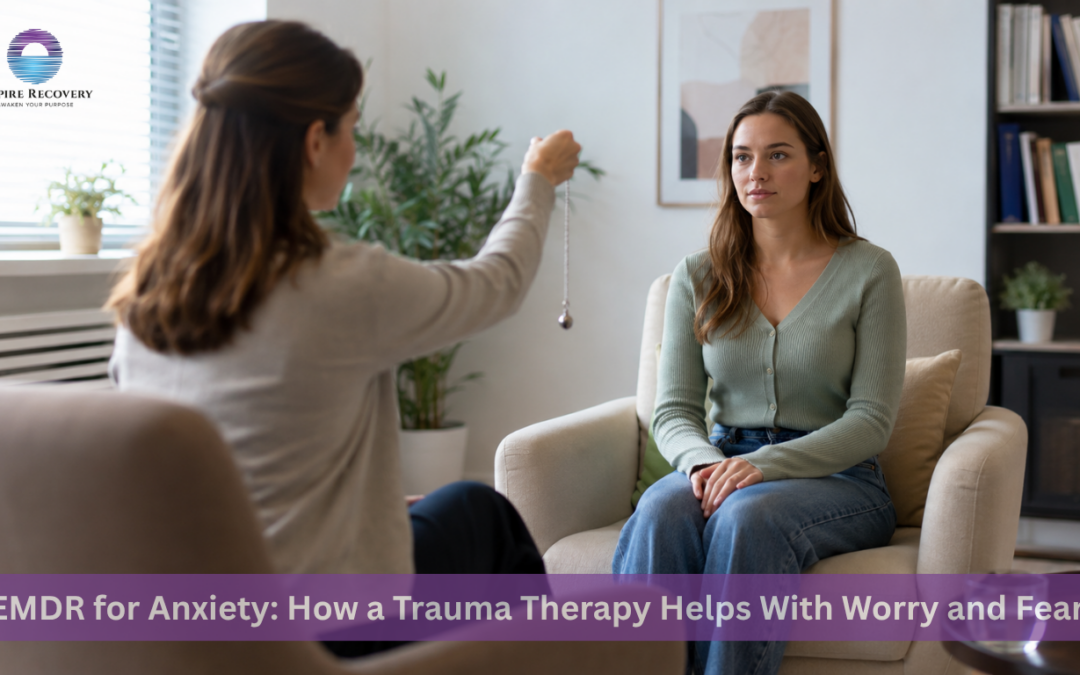
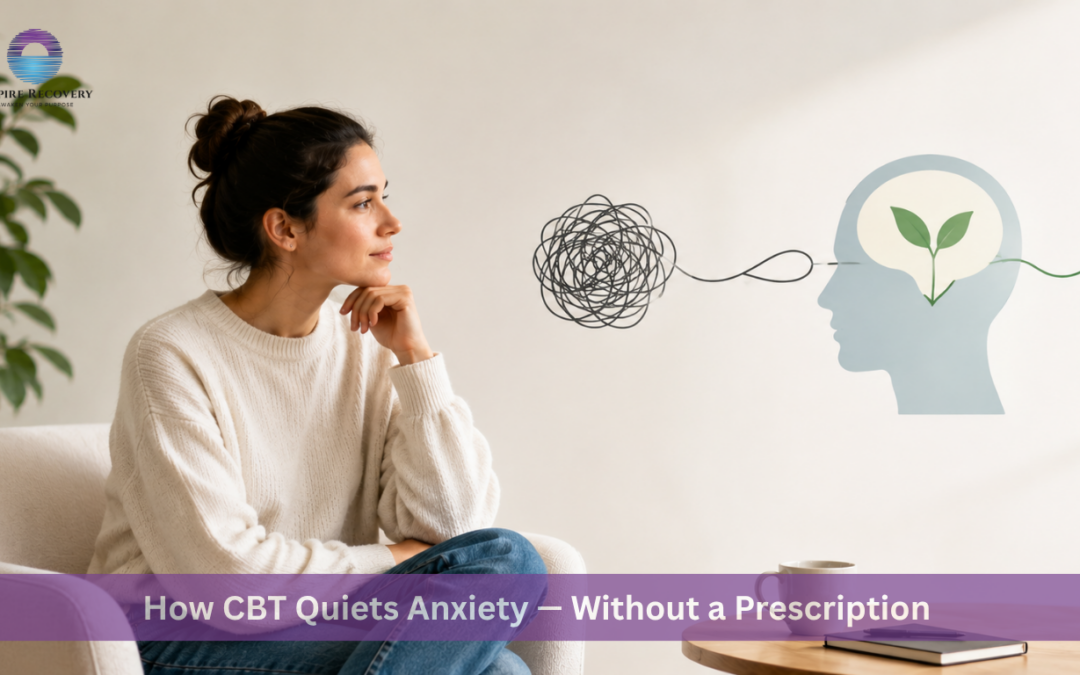
Cognitive Behavioral Therapy (CBT) is the most research-backed approach for adolescent anxiety and depression. CBT works by teaching teens to notice and challenge the thought patterns driving their distress – it’s practical, structured, and most teens respond well to it.
Dialectical Behavior Therapy (DBT) was originally developed by psychologist Marsha Linehan for people who struggle with intense emotional swings. It’s become one of the go-to approaches for teens who self-harm, have explosive anger, or swing between extremes. DBT teaches four core skill sets: mindfulness, distress tolerance, emotion regulation, and interpersonal effectiveness.
Group therapy is underused with teenagers, honestly. Teens who feel alone in what they’re going through often experience real relief in a room – even a virtual room – with peers who get it. It also builds social skills in a supported setting.
Telehealth therapy has made it dramatically easier for Connecticut teens to actually show up to sessions consistently. No driving across the state after school. Sessions happen wherever they are, which removes a huge access barrier.
When a Parent Isn’t Sure – Start With a Conversation
You don’t need to have it all figured out before reaching out to a therapist.
A good clinician can meet with your teenager for an initial assessment, get a clearer picture of what’s going on, and tell you whether ongoing therapy makes sense. Sometimes one conversation reframes everything. Other times it opens a door your teen didn’t know they had permission to walk through.
The worst case for reaching out? You learn your kid is doing better than you thought. That’s not a wasted call.
Don’t Wait for a Crisis to Act
Here’s the honest truth: most families wait too long. Not because they don’t care, but because the signs build slowly and it’s easy to hope the next week will be better.
If your gut is telling you something’s off with your teenager, trust it. Getting them connected with a therapist in Connecticut – someone who actually specializes in adolescent mental health – isn’t giving up on your kid. It’s giving them a real shot at working through what they’re carrying.
And teenagers who learn these skills early? They carry them for life.
Start Your Journey to a Healthier, Happier You
Take the first step today – connect with a compassionate therapist who meets you where you are.
Frequently Asked Questions
A: There’s no fixed age. Adolescent therapy is typically designed for ages 12–18, but the right time is whenever a teenager is struggling – not when it gets bad enough to be undeniable. Earlier intervention leads to better outcomes in most cases.
A: This is really common. Teens often feel embarrassed or resistant. It helps to frame it without pressure – not “you need therapy” but “I’d like us to try one session, and if you hate it, we talk.” Many therapists who specialize in adolescents are skilled at building rapport quickly with resistant teens.
A: Yes. ADD/ADHD counseling for teens typically combines behavioral strategies with support for the emotional side of ADHD – frustration, low self-esteem, and the social difficulties that often come with it. Therapy works alongside medication, not instead of it.
A: Absolutely. Telehealth therapy has become widely available across Connecticut and is just as effective as in-person for most adolescent mental health concerns. Many teens actually prefer it.
A: Depends on what’s being addressed. Some teens see meaningful change in 8–12 sessions. Others benefit from longer-term support, especially if trauma or a chronic condition is involved. A good therapist will set clear goals and review progress regularly.
References
- American Psychological Association. (2023). Adolescent mental health: Key facts and statistics. https://www.apa.org/topics/children/mental-health
- National Institute of Mental Health. (2024). Teen mental health: Warning signs and when to seek help. https://www.nimh.nih.gov/health/publications/teen-depression
- Centers for Disease Control and Prevention. (2023). Data and statistics on children’s mental health. https://www.cdc.gov/childrensmentalhealth/data.html
- Linehan, M. M. (1993). Cognitive-behavioral treatment of borderline personality disorder. Guilford Press. [Foundation of DBT – widely applied in adolescent therapy settings]
- Beck, A. T. (1979). Cognitive therapy of depression. Guilford Press. [Foundation of CBT as applied in adolescent and adult therapy]
- Inspire Recovery CT. Adolescent & Teen Therapy Services. https://www.inspirerecoveryct.com/adolescent-teen-therapy/
- Inspire Recovery CT. Cognitive Behavioral Therapy (CBT). https://www.inspirerecoveryct.com/cognitive-behavioral-therapy/