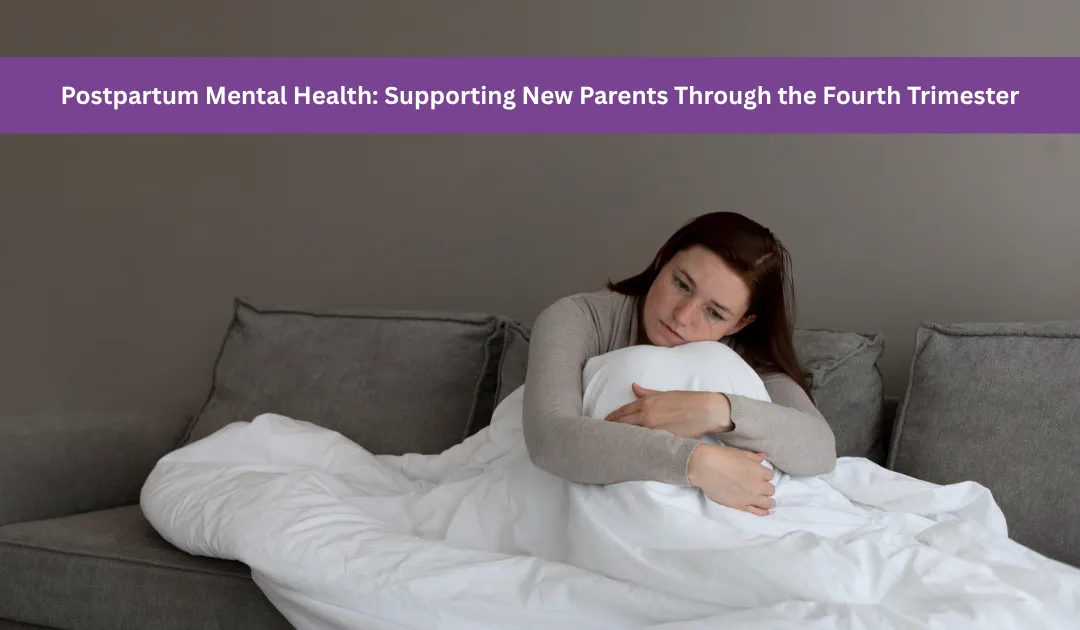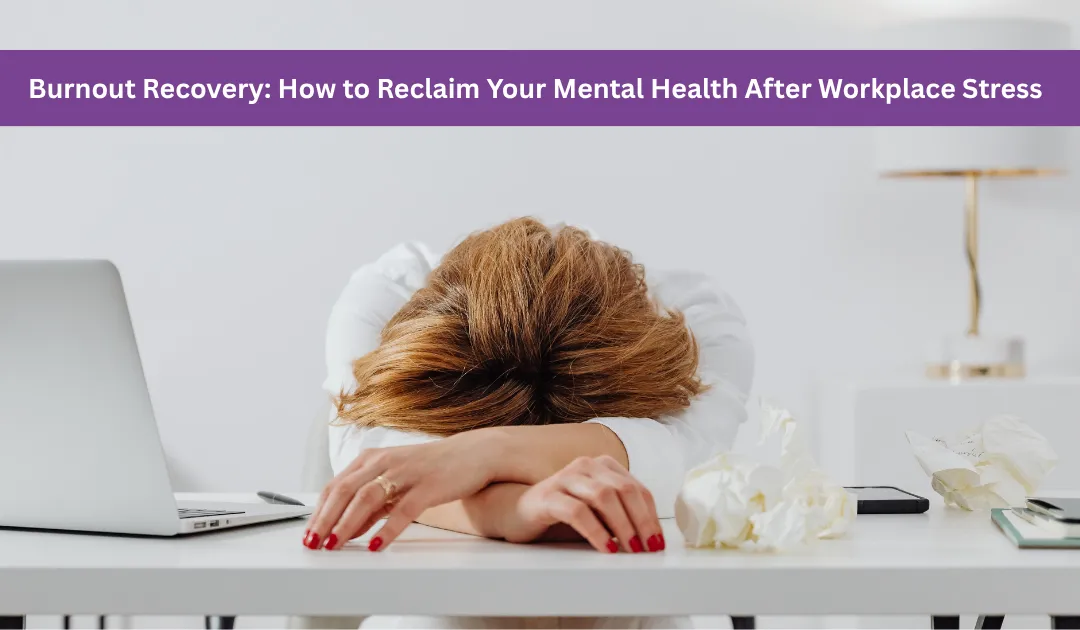

Some days depression looks like not being able to get out of bed. Other days it’s quieter than that, more like going through the motions of your whole life while feeling absolutely nothing. Either way, it’s exhausting, and honestly, it’s not something you’re supposed to just push through on your own. Inspire Recovery, based in Connecticut, offers specialized therapy for depression for people who are ready for something more than white knuckling their way through another hard week. Here’s what makes our approach different, and why so many people end up trusting us with something this personal.
Why Seek Therapy for Depression at Inspire Recovery
Here’s the thing about depression: it doesn’t show up the same way twice, not even in the same person. What wrecks one client might barely register for another, so treating everyone with the same generic playbook was never going to cut it. That’s really the whole philosophy behind our depression treatment programs, they’re built around the actual human sitting in front of us, not a checklist. Our therapists and mental health professionals have spent years working with evidence-based techniques for depression, and what you’ll notice pretty quickly is that they lead with compassion first, expertise second, even though both are there in equal measure.
Before we even talk about treatment, we sit down and do a thorough assessment with every single client. We want to know what’s actually underneath the depression, not just the surface symptoms. Sometimes it’s one clear trigger. Sometimes it’s years of stress that quietly piled up. Sometimes even the client isn’t totally sure yet, and that’s okay too. Whatever we find shapes, the personalized treatment plan we build together from there.
From there, we lean on approaches that actually have research behind them, not just trendy names. That includes Cognitive-Behavioral Therapy (CBT), Mindfulness-Based Cognitive Therapy (MBCT), and Interpersonal Therapy (IPT). Each one tackles depression from a slightly different angle, which matters, because what clicks for one person might not click for another.
We also don’t think depression can be treated by only addressing the mind. It shows up in the body, in relationships, in how connected or disconnected someone feels from the people around them. So we treat all of it, not just the symptoms on paper. Group therapy plays a big role here too. There’s something genuinely powerful about sitting in a room with other people who get it, no explaining required, just people trading real coping strategies and reminding each other they’re not the only one going through this.
For clients who need it, Medication Management is part of the picture as well. If medication makes sense for your treatment plan, our team works hand in hand with healthcare providers, so it’s managed carefully and responsibly, never just handed off and forgotten about. And underneath all of it, our Connecticut facility is meant to feel like a genuine refuge, somewhere you can step away from daily life long enough to actually heal instead of just coping.

How Therapy for Depression Helps
Identifying and Managing Triggers: A lot of people come in not fully understanding what sets their depression off. Therapy helps untangle that, whether it traces back to a specific event, old trauma, or stress that’s been quietly building for a while, so you can see it coming instead of getting blindsided every time.
Building Real Coping Skills: This isn’t about vague advice like “stay positive.” You’ll walk away with actual, practical tools you can reach for on the hard days, which makes a real difference in preventing relapse and staying in the driver’s seat of your own life.
Better Self-Understanding: Therapy has a way of building self-awareness and self-compassion at the same time, which sounds simple but really isn’t. Understanding where your depression comes from is often what makes healing finally start to feel possible.
Relapse Prevention: You’ll learn to catch the early warning signs before depression fully takes hold again, plus concrete strategies for keeping it from creeping back into your life uninvited.
A Renewed Sense of Well-Being: At the end of the day, this isn’t just about managing symptoms and calling it a win. It’s about actually getting back a sense of purpose, hope, and well-being, the stuff depression tends to quietly steal first.
Therapy for depression at Inspire Recovery in Connecticut is meant to feel like an actual lifeline, not just another program to sit through. Between experienced therapists, methods backed by real research, and a genuine focus on the whole person rather than a diagnosis on a chart, we’re here for more than symptom management. We want to help you build an actual life on the other side of this. Depression doesn’t get the final say. Reach out to Inspire Recovery today and take the first step toward feeling like yourself again.
Start Your Journey to a Healthier, Happier You
Take the first step today – connect with a compassionate therapist who meets you where you are.
It’s personalized mental health treatment for depression, built around your specific situation instead of a generic program. After a thorough assessment, our Connecticut team combines evidence-based therapies like CBT, MBCT, and IPT with support for the emotional, physical, and social sides of well-being.
There’s no fixed timeline because everyone’s depression looks different. Some clients see real progress in a few months, while others need longer-term support. Your treatment plan gets adjusted along the way based on your progress, so the pace fits you, not a set program length.
Not necessarily. Many clients manage depression through therapy alone. If medication does make sense for your situation, our team works closely with healthcare providers to manage it carefully as part of your broader treatment plan, never as a standalone fix or a first resort.
We primarily use Cognitive-Behavioral Therapy, Mindfulness-Based Cognitive Therapy, and Interpersonal Therapy, all backed by real research. Group therapy is often included too, giving clients a supportive space to share experiences and build coping skills alongside others who understand what they’re going through.
Getting started is simple. Reach out to Inspire Recovery to request an appointment, and our team will walk you through a thorough initial assessment. From there, we build a personalized treatment plan together so you can start working toward real, lasting relief.